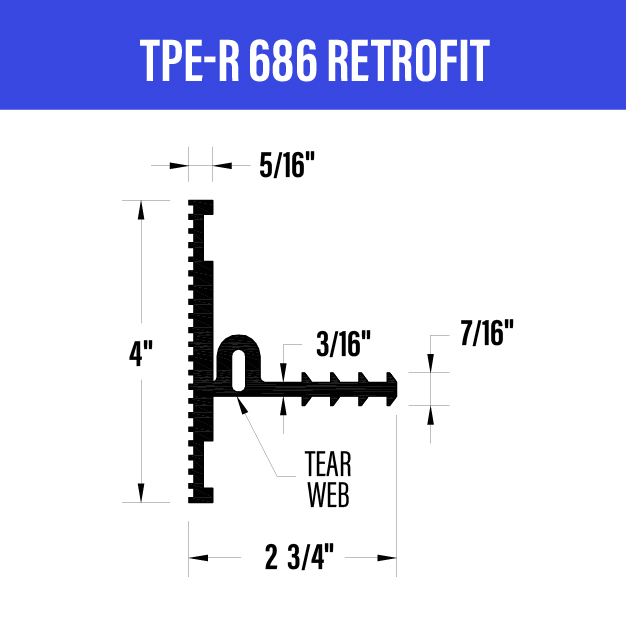
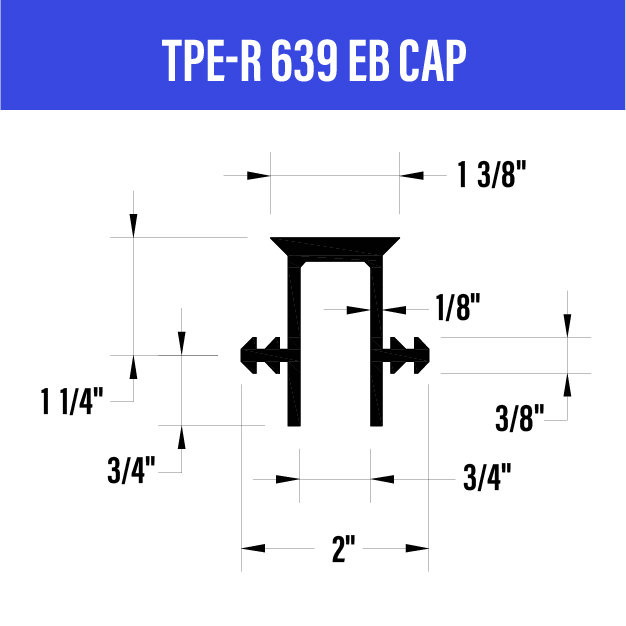
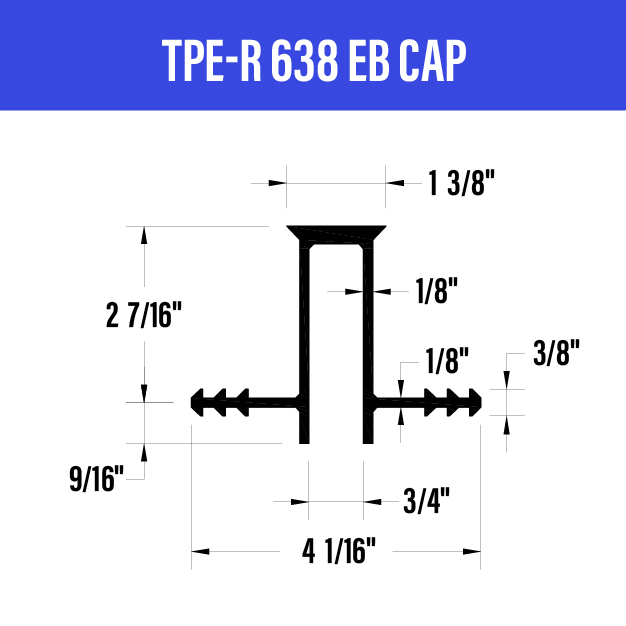
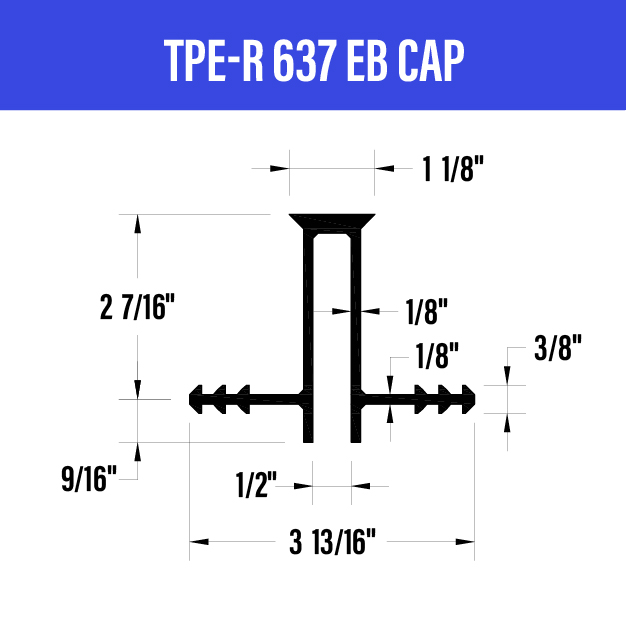
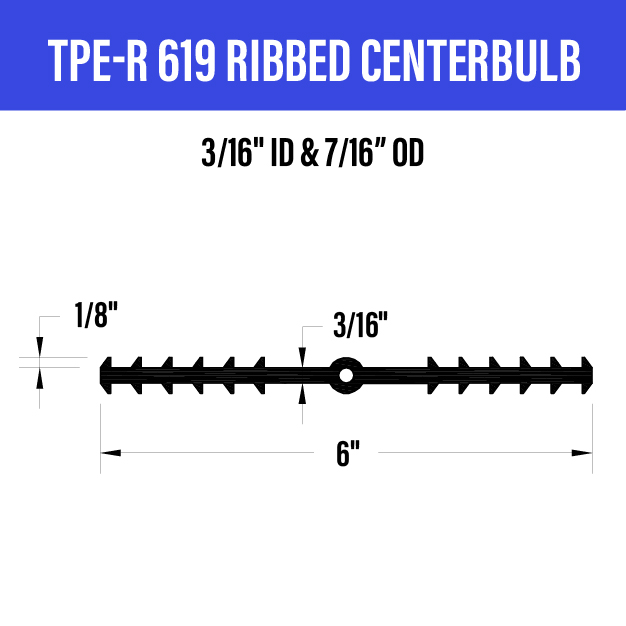
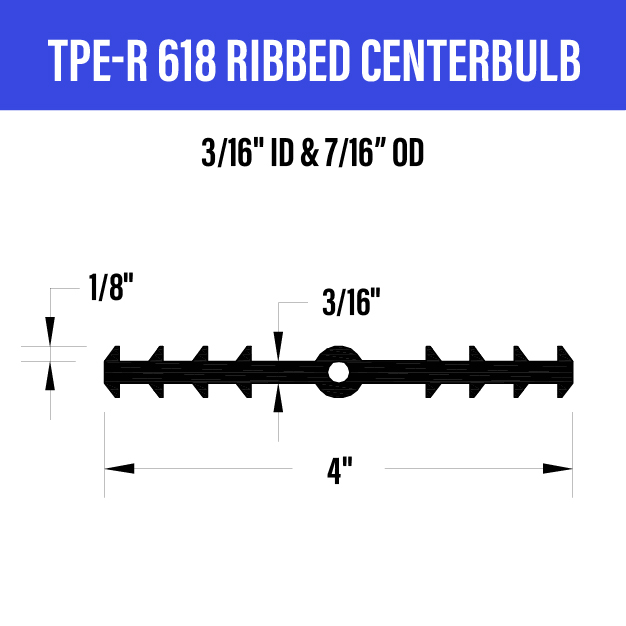
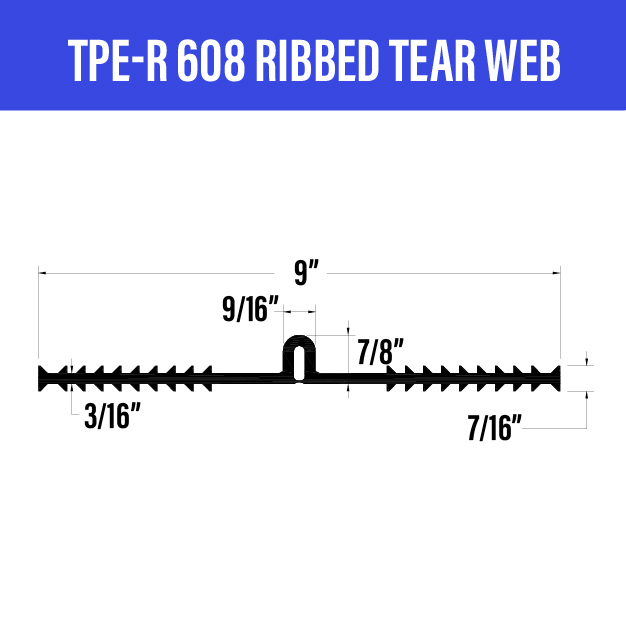
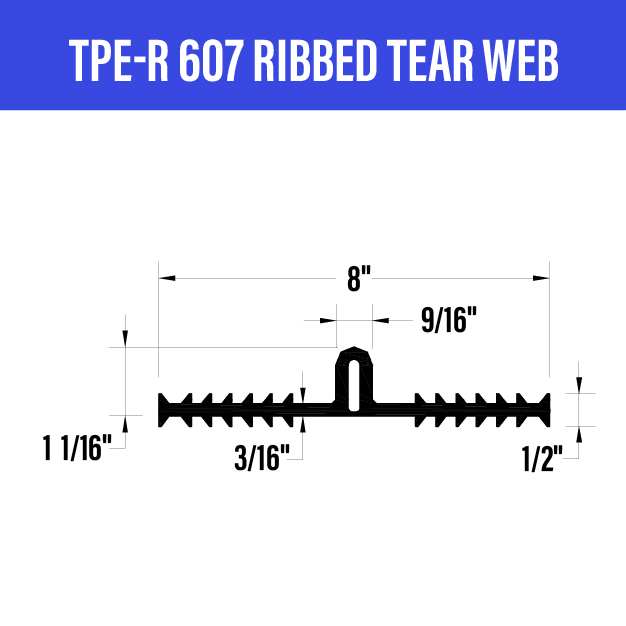
The Westec TPER waterstop is purpose-built for secondary containment and chemical exposure applications where traditional flexible PVC waterstop materials cannot perform. As a fully vulcanized thermoplastic vulcanizate (TPV), TPER waterstop offers the elastic recovery and joint-sealing characteristics of an EPDM rubber waterstop while remaining heat weldable for fast, reliable field splicing and factory-fabricated intersections. The result is a chemically resistant joint waterproofing system that holds up against hydrocarbons, acids, bases, alcohols, and a long list of process chemicals common in industrial concrete construction.
Embedded in concrete across or along the joint, the Westec TPER waterstop forms a continuous watertight diaphragm that prevents the passage of liquid through construction joints, expansion joints, and movement joints. This makes it the go-to PVC alternative waterstop for refineries, petrochemical manufacturing facilities, ethanol and biodiesel plants, fuel storage and tank farms, pharmaceutical plants, pulp and paper mills, and land, air, and seaports. TPER waterstop is also widely specified for ozone contact structures in water treatment, where its NSF/ANSI 61 certification supports drinking water containment.
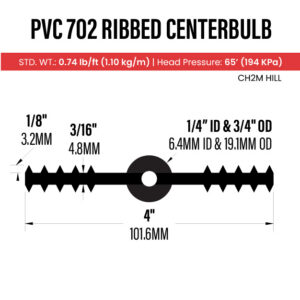
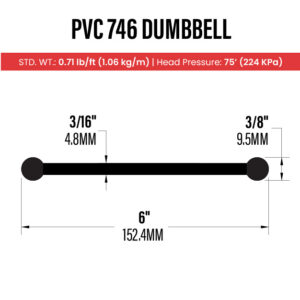
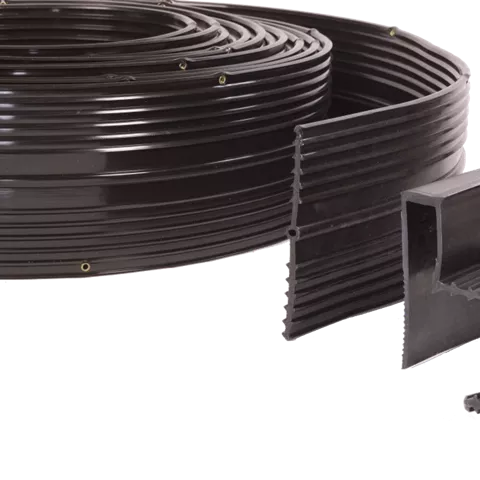
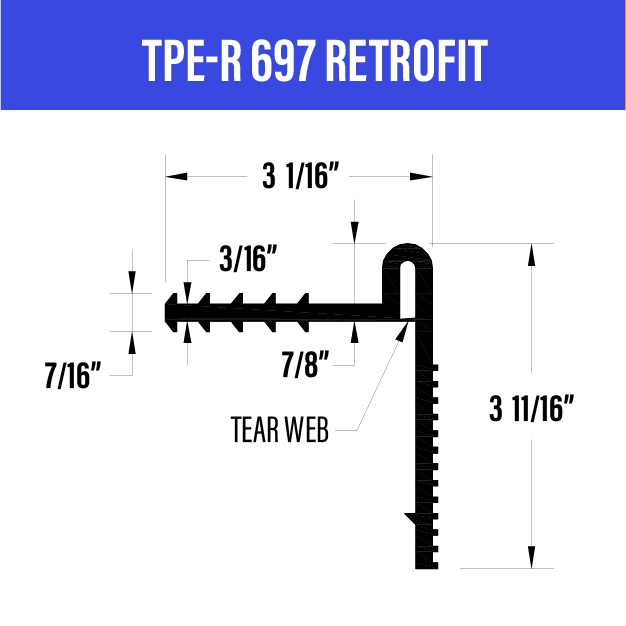
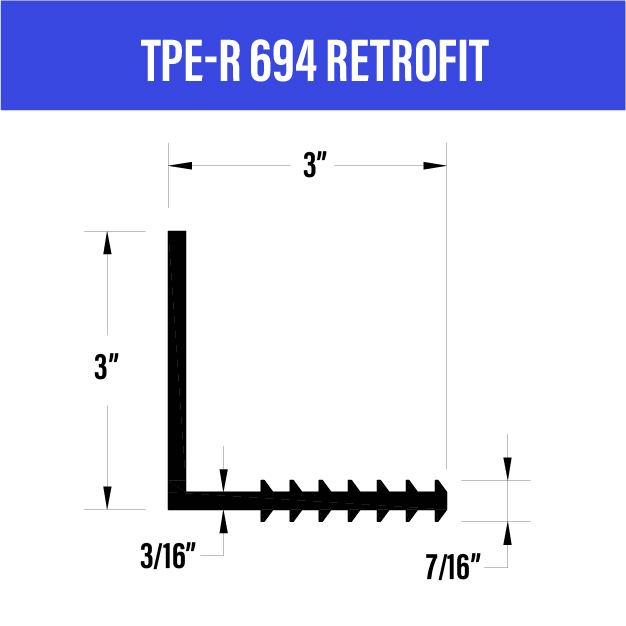
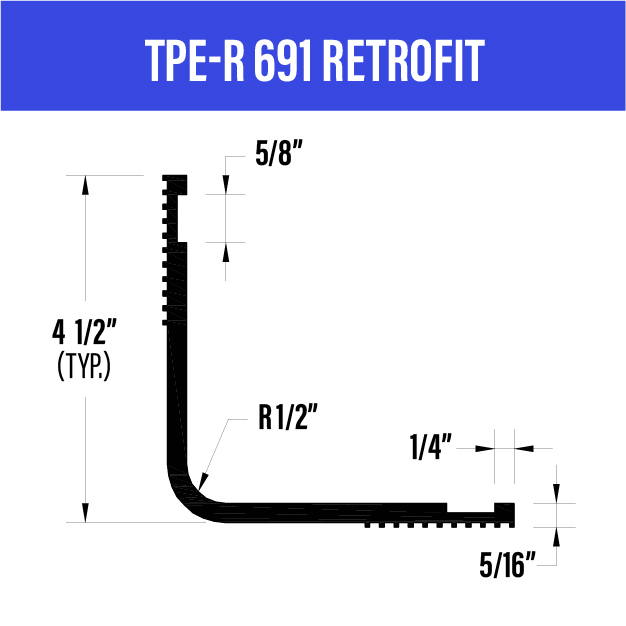
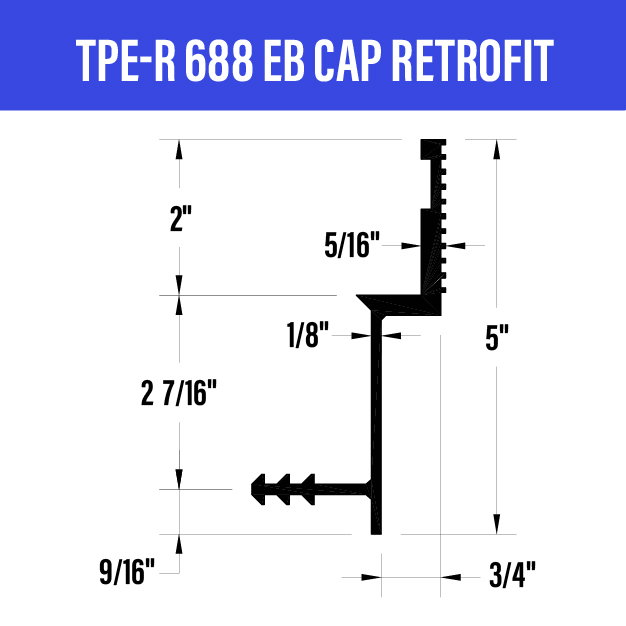
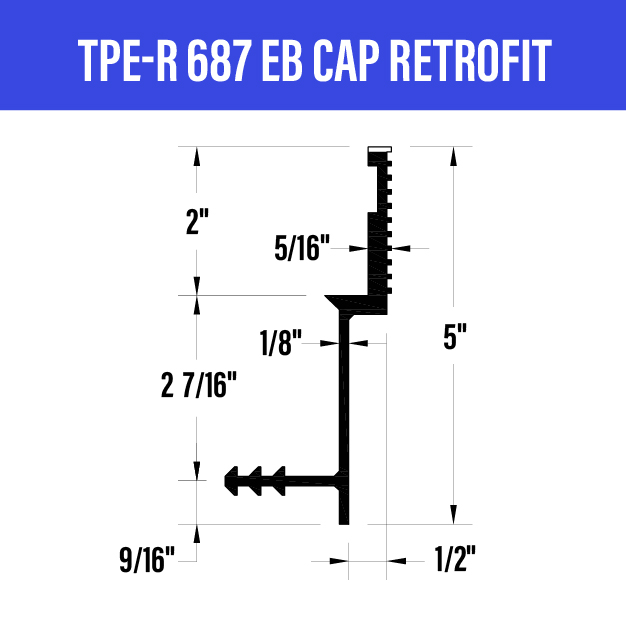
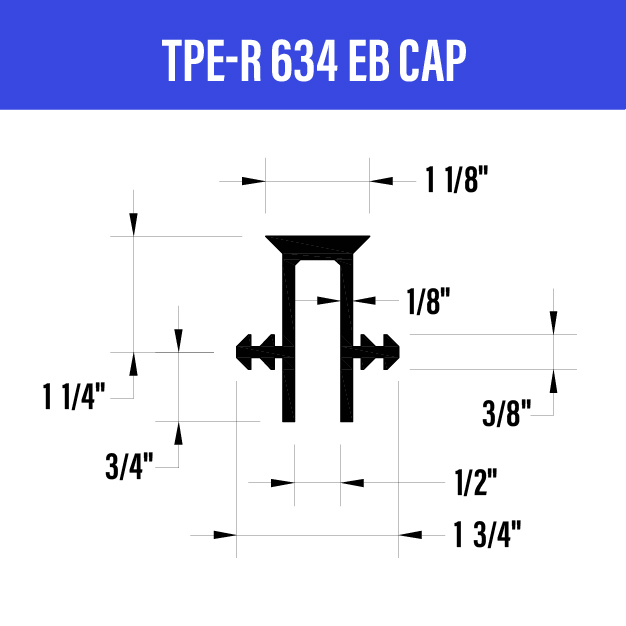
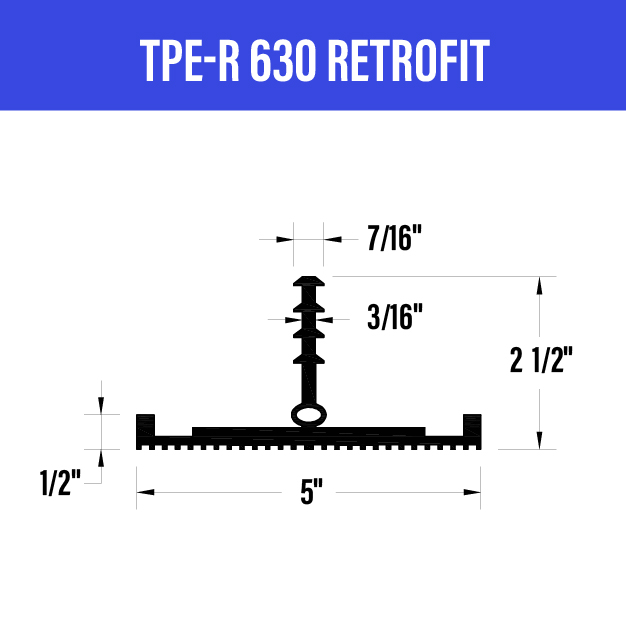
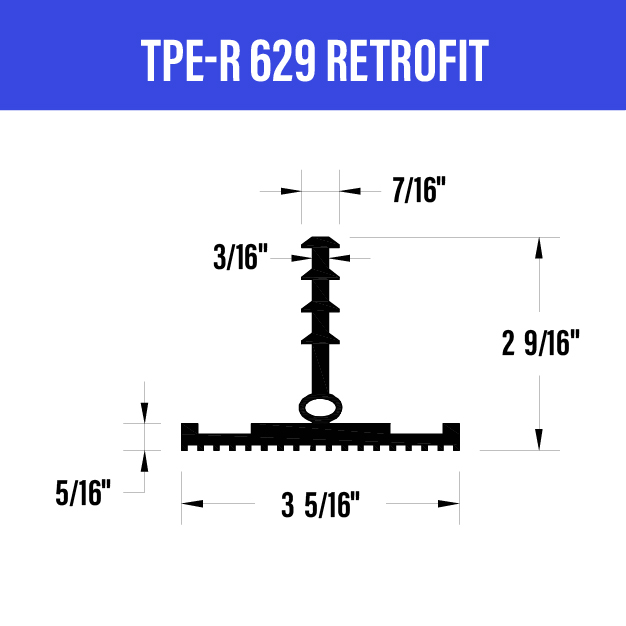
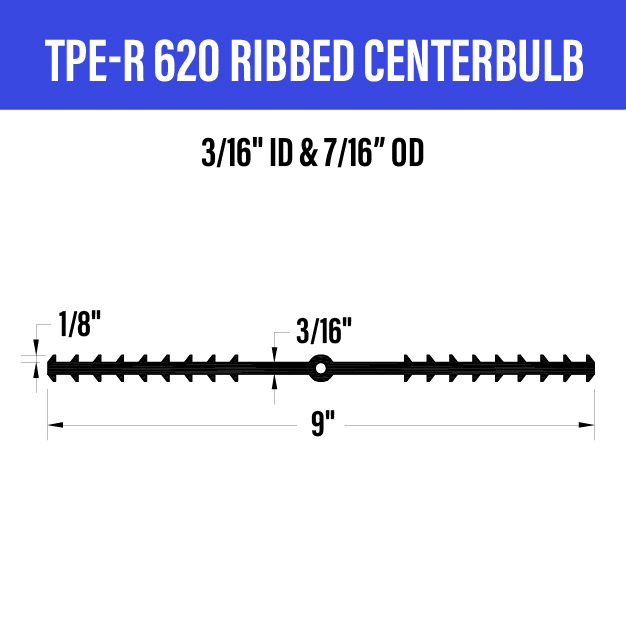
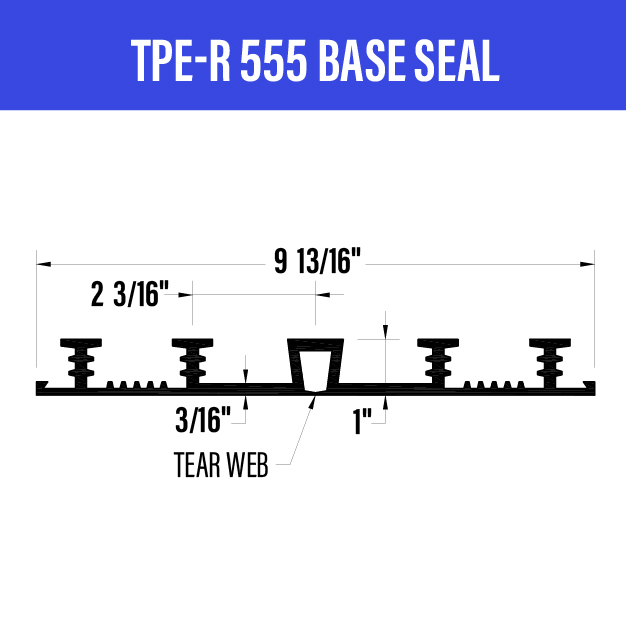
Westec TPER waterstop is offered in a full lineup of profiles to match the specific joint conditions of any project. Ribbed centerbulb profiles such as the 618, 619, and 620 accommodate vertical and horizontal movement equal to the inside diameter of the centerbulb. Ribbed tear web profiles like the 607 and 608 are designed for larger joint movements where the U-shaped centerbulb tears under load to allow expansion or differential settlement. Retrofit TPER profiles (629, 630, 686, 694, 697) seal joints between new and existing concrete using stainless steel batten bars, anchor bolts, and Westec 151 Novolac Gel Epoxy. EB Cap and EB Cap Retrofit profiles (634, 637, 638, 639, 687) integrate the waterstop, expansion board, and joint seal into a single patented system, while the 555 base seal profile suits slab-on-grade joints and backfilled walls.
Key Features
Exceptional chemical resistance is the defining advantage of the Westec TPER waterstop. ASTM D-471 immersion testing demonstrates good to excellent resistance to oils, fuels, acids, bases, and numerous solvents, including diesel fuel, ethanol, isopropyl alcohol, hydraulic fluid, hydrogen peroxide, sodium hypochlorite, sodium hydroxide solutions, anhydrous ammonia, and DI water. Where standard flexible PVC waterstops are rated ‘do not use’ for hydrocarbons such as benzene, toluene, xylene, and styrene, TPER waterstop continues to perform, making it a reliable thermoplastic rubber waterstop for secondary containment structures.
The thermoplastic elastomeric rubber formulation delivers rubber-like flexibility and elastic recovery with a Shore A hardness of 85 and ultimate elongation of 450 percent, allowing the waterstop to accommodate joint movement, settlement, and thermal expansion without losing sealing pressure against the surrounding concrete. With a brittle point at -70°F per ASTM D746, Westec TPER waterstop performs reliably in cold-climate concrete pours, freezer slabs, outdoor industrial pads, and other low-temperature service environments.
Heat weldable construction means transitions, intersections, tees, crosses, and field splices can all be joined into a continuous, leak-tight diaphragm using a Sika Greenstreak splicing iron at the recommended 210°C (410°F) setting. The same welding equipment used for Greenstreak PVC waterstop can be used for TPER waterstop, simplifying training and certification. Sika strongly recommends factory-fabricated fittings at all directional changes and intersections to reduce field weld errors and improve waterproofing reliability.
Westec TPER waterstop is NSF/ANSI Standard 61 certified for drinking water contact, making it suitable for potable water containment, treatment plant joints, and ozone contact structures in addition to its primary role as a chemical resistant waterstop. Pre-punched brass grommets are factory installed in the outermost ribs of the 6-inch and 9-inch profiles on 12-inch centers, allowing the waterstop to be wired off to reinforcement for proper alignment and full concrete consolidation around the ribs during placement.
From standard ribbed centerbulb and ribbed tear web shapes to retrofit systems with stainless steel batten bars and Westec 151 Novolac Gel Epoxy, EB Cap expansion board cap seal systems, and base seal profiles, the Westec TPER product line covers the full range of industrial waterstop joint conditions. All profiles are produced from the same TPE-R compound, so a single material can be specified throughout a project to simplify intersections, fabrications, and inventory.
Key Features at a Glance
- Thermoplastic elastomeric rubber (TPE-R / TPV) construction — fully vulcanized EPDM/polypropylene blend
- Resistant to oils, fuels, acids, bases, alcohols, and many solvents (per ASTM D-471 testing)
- NSF/ANSI Standard 61 certified for potable water and ozone contact applications
- Heat weldable using a Sika Greenstreak splicing iron at 210°C (410°F)
- Brittle point at -70°F (ASTM D746) for cold-weather and low-temperature service
- Available in ribbed centerbulb, ribbed tear web, retrofit, EB Cap, and base seal profiles
- Pre-punched brass grommets on 6″ and 9″ profiles for wire-tying to reinforcement
- Factory-fabricated tees, crosses, ells, and transitions available for all profiles
- Ideal for refineries, petrochemical plants, ethanol/biodiesel, pharma, pulp and paper, pipelines, and tank farms
Common Applications
- Ethanol and Biodiesel Production Plants
- Petrochemical Manufacturing Facilities
- Refineries and Fuel Storage / Tank Farms
- Pulp and Paper Mills
- Pharmaceutical Plants
- Pipelines and Pipeline Containment
- Land, Air, and Seaports
- Secondary Containment Structures and Spill Containment Berms
- Water Treatment Plants and Ozone Contact Structures
Technical Specifications
| Property | Value | Test Method |
|---|---|---|
| Material | Thermoplastic Elastomeric Rubber (TPE-R / TPV) | — |
| Shore A Hardness | 85 | ASTM D2240 |
| Tensile Strength | 2,000 psi | ASTM D638 |
| Tensile Modulus of Elasticity | 1,000 psi | ASTM D638 |
| Elongation | 450% | ASTM D638 |
| Brittle Point / Service Temperature | -70°F (-56°C) | ASTM D746 |
| Chemical Resistance | Oils, fuels, acids, bases, solvents | ASTM D-471 |
| Potable Water Certification | Certified | NSF/ANSI Standard 61 |
| Splicing Method | Heat weld at 210°C (410°F) | — |
| Packaging | Varies by profile | — |
Westec TPER Profile Lineup
Westec TPER waterstop is available in a full range of profiles to match joint type, joint movement, and installation method.
| Profile Category | Profile Numbers | Typical Use |
|---|---|---|
| Ribbed Centerbulb | 618 (4″), 619 (6″), 620 (9″) | Movement joints — accommodates vertical, horizontal, and shear movement |
| Ribbed Tear Web | 607 (6″), 608 (9″) | Larger joint movements and differential settlement |
| Retrofit | 629, 630, 686, 694, 697 | Joints between new and existing concrete (with batten bar + epoxy) |
| EB Cap | 634, 637, 638, 639 | Patented integrated waterstop + expansion board + joint seal |
| EB Cap Retrofit | 687 | EB Cap-style retrofit at new-to-existing concrete joints |
| Base Seal | 555 | Slab-on-grade joints and backfilled walls (no split forming) |
Frequently Asked Questions
What is Westec TPER waterstop and how is it different from PVC waterstop?
Westec TPER is a thermoplastic elastomeric rubber waterstop made from a fully vulcanized blend of EPDM and polypropylene. Compared to standard flexible PVC waterstop, TPER offers significantly better chemical resistance to hydrocarbons, fuels, acids, bases, and solvents, making it the preferred chemical resistant waterstop for secondary containment in refineries, petrochemical plants, ethanol facilities, and similar industrial environments.
Where is Westec TPER waterstop typically used?
TPER waterstop is specified anywhere a concrete joint may be exposed to aggressive chemicals or fuels: ethanol and biodiesel plants, petrochemical manufacturing, refineries, pulp and paper mills, pipelines, fuel storage and tank farms, pharmaceutical plants, and land, air, and seaports. It is also used in potable water and ozone contact structures because it is NSF/ANSI Standard 61 certified.
Is Westec TPER waterstop safe for potable water?
Yes. Westec Envirostop TPE-R waterstop is certified to NSF/ANSI Standard 61 for drinking water applications. This makes it suitable for water treatment plant joints, ozone contact structures, and other drinking water containment structures where joint sealing materials must meet potable water requirements.
How is TPER waterstop installed and spliced?
TPER waterstop is embedded in concrete prior to placement to ensure proper positioning and consolidation around the profile. All transitions, intersections, and field splices must be heat welded using a Sika Greenstreak splicing iron set at 210°C (410°F). Factory-made fabrications are strongly recommended for all directional changes, tees, and crosses to reduce the risk of field weld failures.
What chemicals is TPER waterstop resistant to?
Per ASTM D-471 immersion testing, Westec TPER waterstop has good to excellent resistance to anhydrous ammonia, antifreeze (ethylene glycol), benzene, creosote, diesel fuel, ethanol, hydraulic fluid, hydrogen peroxide, isopropyl alcohols, jet fuel JP-8, kerosene, methyl ethyl ketone, mineral oil, sodium hydroxide, sodium hypochlorite, styrene, sulfuric acid, tetrahydrofuran, toluene, DI water, and xylene. For specific chemicals or concentrations, refer to the Westec Chemical Resistance Chart or contact the Sika waterproofing engineering team.
Can TPER waterstop be used to retrofit joints between new and existing concrete?
Yes. Westec offers TPER retrofit profiles (629, 630, 686, 694, 697) along with an EB Cap retrofit profile (687). All retrofit systems include stainless steel batten bars and tapcons, and Westec 151 Novolac Gel Epoxy is used to create a fluid-tight, chemical-resistant seal between the waterstop and the existing concrete face.
What is the EB Cap system and when should it be specified?
The patented Westec EB Cap (Expansion Board Cap Seal) system is a complete concrete joint solution that integrates the waterstop, forming system, expansion board, joint seal, and load transfer units into a single structure. It eliminates split formwork, poured-in-place sealants, saw cutting, and joint finishing — making it ideal for industrial paving, slab joints, and high-traffic areas where labor and installation cost are critical.
What sizes and lengths are available?
Westec TPER waterstop is offered in widths from 4 inches (e.g., profile 618) up to 9 inches (e.g., profiles 620 and 608) to handle a range of hydrostatic pressures and joint conditions. Packaging varies by profile — contact us for available roll lengths, retrofit piece lengths, and factory fabrication options for your project.
Need Help Choosing the Waterstop?
We’re here to answer all of your questions about waterproofing, product compatibility, and application techniques. Get expert guidance for your specific project needs.
Professional Grade Products
Quality Customer Service
Technical Support